

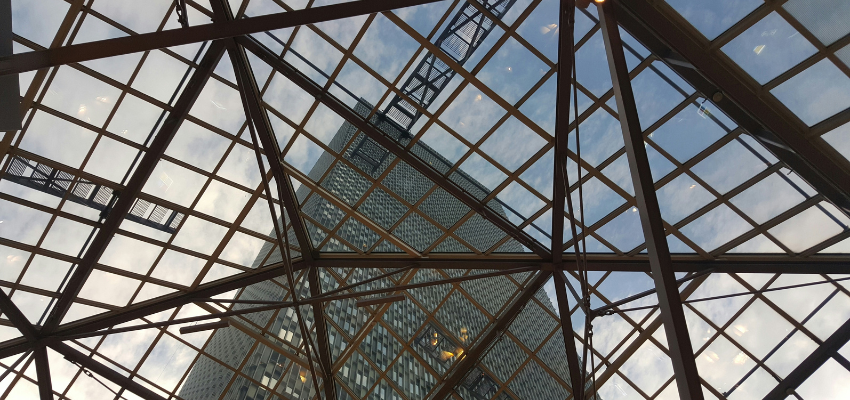
1. Automation and Robotics in Steel Fabrication
Automation and robotics have revolutionized steel fabrication by streamlining processes that once required extensive manual labor. The integration of robotic systems, including collaborative robots (or cobots), allows for tasks like welding, cutting, and drilling to be completed with high precision and efficiency.
This reduces human error and significantly cuts down production time. With automation, steel fabrication facilities can handle larger volumes of work without compromising on quality. As the technology advances, these robots are becoming more versatile, capable of performing complex tasks that were previously unachievable through traditional methods.
2. 3D Printing and Additive Manufacturing
3D printing, also known as additive manufacturing, has transitioned from a prototyping tool to a critical component in steel fabrication. This technology enables the creation of intricate steel components that would be challenging or impossible to produce using traditional methods.
By layering metal powder to build parts, 3D printing allows for greater design flexibility, reduced material waste, and faster production times. This innovation is particularly beneficial for creating custom components and prototypes, as it allows for rapid iteration and testing, making steel fabrication more adaptable to the needs of various industries.
3. Advanced Materials and Coatings in Steel Fabrication
The demand for stronger, lighter, and more durable materials has led to the development of advanced alloys and coatings in steel fabrication. High-strength steels, aluminum alloys, and composites are increasingly used to create components that are not only more robust but also resistant to corrosion and wear.
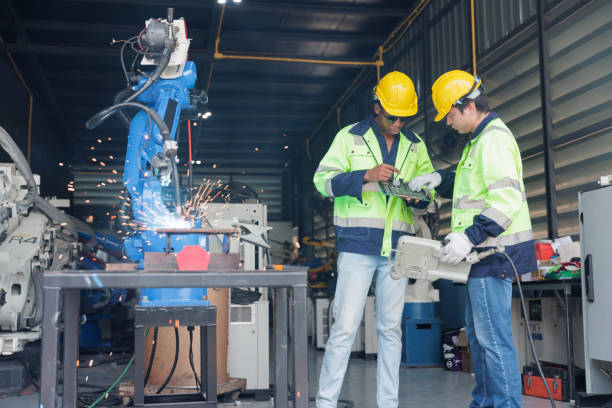
These advancements are crucial in industries like aerospace, automotive, and construction, where the performance and longevity of steel components are paramount. Moreover, innovations in coating technologies are enhancing the durability and aesthetics of steel products, making them suitable for a wider range of applications.
4. Digitalization and IoT Integration in Steel Fabrication
The digital transformation of steel fabrication is being accelerated by the integration of the Internet of Things (IoT) and Industry 4.0 technologies. IoT-enabled devices and sensors are now embedded in fabrication equipment, providing real-time data on performance, maintenance needs, and operational efficiency.
This data-driven approach allows for predictive maintenance, reducing downtime and extending the lifespan of machinery. Additionally, the ability to monitor and control equipment remotely is leading to greater flexibility and improved collaboration across different facilities. These digital innovations are not only increasing productivity but also enhancing the precision and quality of steel fabrication processes.
CAM Integration in Steel Fabrication
5. CAD and CAM Integration in Steel Fabrication
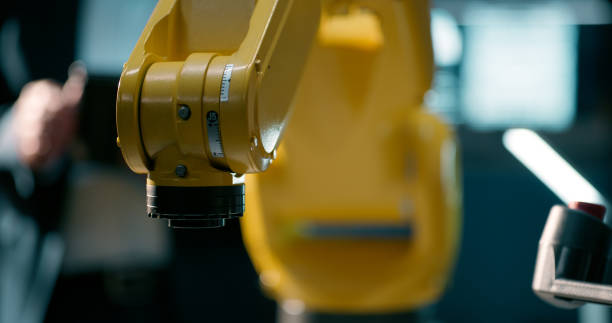
The integration of Computer-Aided Design (CAD) and Computer-Aided Manufacturing (CAM) has revolutionized the design and execution phases of steel fabrication. CAD software allows engineers to create precise 3D models of components, which can then be simulated and optimized before actual production begins.
CAM software takes these designs and converts them into instructions for CNC machines, ensuring that the final product matches the design specifications with high accuracy. This integration minimizes material waste and reduces the risk of errors, leading to more efficient and cost-effective steel fabrication.
6. Sustainable Practices in Steel Fabrication
As the industry moves towards sustainability, steel fabrication is adopting greener practices. This includes using recycled materials, optimizing energy use, and minimizing waste throughout the production process.
Sustainable steel fabrication practices are not only reducing the environmental footprint of the industry but also aligning with global sustainability goals. These efforts are making steel fabrication more resilient in the face of environmental challenges, ensuring that the industry can continue to meet the demands of the future.
Our Conclusion
The steel fabrication industry is undergoing a significant transformation, driven by technological innovations that are enhancing efficiency, precision, and sustainability. From automation and robotics to advanced materials and digitalization, these innovations are setting new standards in the industry, ensuring that steel fabrication remains at the forefront of modern manufacturing.
By staying ahead of these trends, companies in the steel fabrication industry can continue to deliver high-quality products while meeting the demands of a rapidly changing market.
For additional information on our welding and steel construction capabilities or to explore how we can aid your next project, contact us today.
Or visit our services page to see the full range of solutions we offer for your construction requirements.