

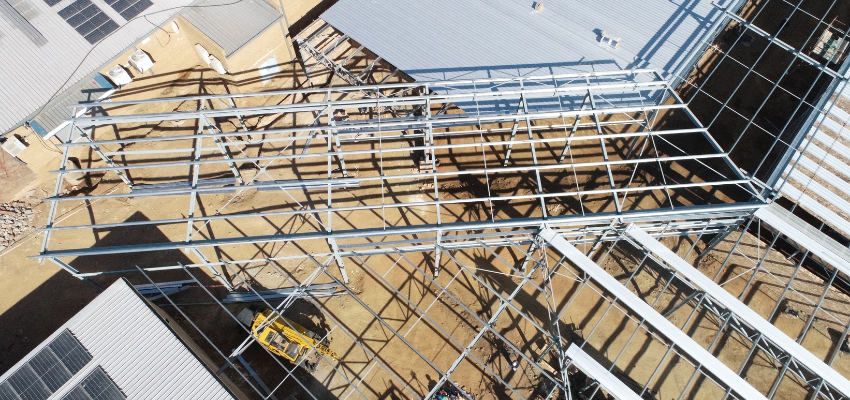
Understanding Custom Steel Fabrication
Custom steel fabrication involves creating metal parts or structures according to the specific designs provided by clients. Unlike standard fabrication, which uses pre-made templates and designs, custom fabrication is highly tailored.
This flexibility allows for the creation of unique and complex structures that can meet specific functional and aesthetic requirements.
Importance of Custom Steel Fabrication
The primary advantage of custom steel fabrication is its ability to meet unique project needs.
Whether it's a bespoke architectural element or a specialised industrial component, custom fabrication ensures that the final product is precisely what the client envisioned. This level of customization leads to better performance, enhanced aesthetics, and increased satisfaction.
The 6 Main Steps in the Custom Steel Fabrication Process
1. Consultation and Design
The process begins with a detailed consultation between the fabricator and the client. This step involves understanding the client's needs, project specifications, and any specific requirements.
Based on the consultation, the fabricator creates detailed designs and blueprints. Advanced software and CAD tools are often used to visualise the final product and make necessary adjustments.
2. Material Selection
Selecting the right materials is crucial for the success of any custom fabrication project. Factors such as strength, durability, and aesthetic appeal are considered when choosing materials.
3. Cutting and Shaping
Once the design is finalised and materials are selected, the next step involves cutting and shaping the metal. Techniques such as laser cutting, water jet cutting, and plasma cutting are used to achieve precise cuts.
4. Welding and Assembly
Welding is a critical step in custom fabrication, where different metal pieces are joined together to form the final structure. Various welding techniques, such as MIG, TIG, and spot welding, are used depending on the project's requirements.
After welding, the structure undergoes assembly, where all the components are put together. This step involves rigorous testing and quality checks to ensure structural integrity and functionality.
5. Finishing
The finishing process involves adding final touches to the fabricated structure to enhance its appearance and protect it from environmental factors. Common finishing techniques include painting, powder coating, polishing, and galvanising.
6. Delivery and Installation
Once the fabrication and finishing processes are complete, the final product is carefully packaged and delivered to the client's location. Depending on the project, the fabricator may also provide installation services.
What Are The Benefits of Custom Steel Fabrication?
- Flexibility: Ability to create structures that meet specific design and functional requirements.
- Precision: Advanced techniques and skilled craftsmanship ensure high levels of accuracy.
- Quality: Custom fabrication often results in superior quality products that are built to last.
- Innovation: Encourages creativity and innovation in design, leading to unique and cutting-edge solutions.
Choosing the Right Steel Fabricator
Selecting the right fabricator is crucial for ensuring the success of your custom steel fabrication project.
Here are some key considerations to keep in mind:
- Experience and Expertise: Look for fabricators with a proven track record in custom metal fabrication. Experienced professionals bring valuable skills and knowledge to the table, ensuring high-quality results.
- Portfolio and References: Review the fabricator’s portfolio to see examples of their previous work. Contacting references can provide insights into their reliability, workmanship, and customer service.
- Capabilities and Equipment: Ensure the fabricator has the necessary equipment and capabilities to handle your project. Advanced tools and technology contribute to precision and efficiency in fabrication.
- Quality Control: A reputable fabricator should have stringent quality control measures in place. This ensures that the final product meets industry standards and your specific requirements.
- Communication and Collaboration: Effective communication is essential for a successful custom fabrication project. Choose a fabricator who is willing to collaborate closely with you, providing updates and addressing any concerns throughout the process.
Our Conclusion
Custom steel fabrication is an essential process for projects that require unique, high-quality metal structures. By combining advanced techniques with skilled craftsmanship, fabricators can create products that meet specific needs and exceed expectations.
For expert advice and guidance on custom fabrication, contact RSB to get all your steel needs met. Our team of professionals is dedicated to delivering precision and quality in every project.