

.jpg)
Digital Fabrication in 2026: How Smart Workshops Are Reducing Rework
Rework has historically been one of the most avoidable yet costly elements in structural steel projects. In 2026, that reality is changing. Digital fabrication has evolved beyond standalone CNC machines into fully integrated workshop systems where detailing, fabrication, quality control, and installation operate through continuous data exchange.
For structural steel contractors delivering complex commercial and industrial developments, this integration is no longer optional. It is a competitive requirement for reducing errors and maintaining predictable delivery performance.
Why Rework Remains a Critical Cost Factor
Rework typically results from incomplete detailing, manual data re-entry between design and production, version control conflicts, sequencing misalignment, or late design revisions not reflected in shop outputs.
Even minor dimensional discrepancies can disrupt installation. Grinding, re-drilling, plate modifications, delivery delays, and crane rescheduling quickly affect site momentum. In digitally integrated workshops, these manual handover risks are systematically removed.
From Tekla Model to CNC Machine: A Closed-Loop Workflow
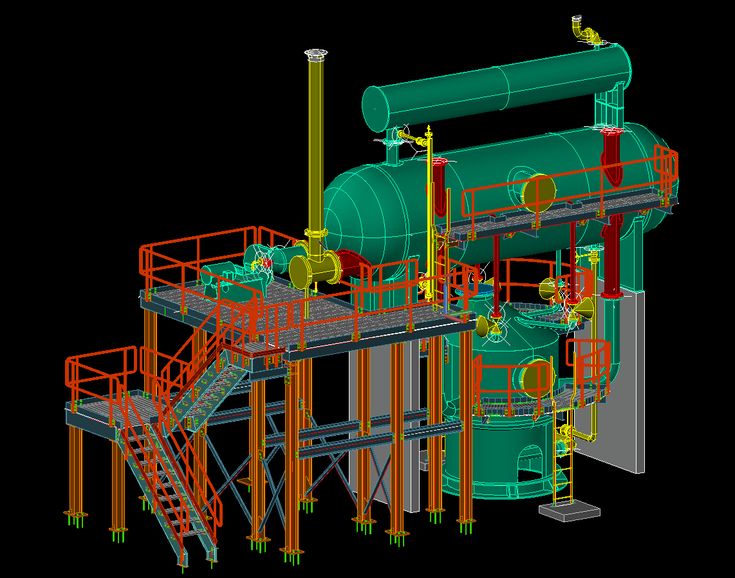
Digital fabrication centres on model-driven production. Platforms such as Tekla Structures function as intelligent data environments rather than static drawings. Member geometry, connection detailing, bolt specifications, weld information, surface treatments, and numbering are embedded within the model.
That data flows directly into CNC beamlines, drilling systems, plasma cutters, and automated marking equipment without manual reinterpretation. When the model is correct, production output follows precisely. This integration between detailing and structural steel fabrication eliminates duplication and significantly reduces dimensional risk.
Traceability as the New Standard
In 2026, full traceability is increasingly expected on large-scale warehouse and industrial facilities. Smart workshops assign digital identities to each fabricated member, tracking material batch certificates, fabrication timestamps, inspection records, coating processes, and delivery sequencing.
When site teams query a component, its lifecycle can be retrieved immediately. This strengthens coordination between fabrication and installation and improves compliance readiness on high-value projects.
Model-Based Sequencing and Installation Accuracy
Rework often arises when fabrication output and site sequencing are disconnected. In digital-first workshops, the model defines not only what is fabricated, but when. Fabrication sequencing aligns with erection zones, crane positioning, and site readiness.
This approach reduces laydown congestion, limits double-handling, improves erection flow, and lowers the risk of site damage. By coordinating digital sequencing with installation logistics, contractors achieve smoother project progression and fewer on-site modifications.
Live Production Tracking and Data Visibility
Modern fabrication floors operate with real-time production dashboards. Machine utilisation, shift output, bottlenecks, quality rejection rates, and project completion percentages are continuously monitored.
Early detection of slowdowns or error patterns allows intervention before delivery schedules are affected. Data-driven oversight replaces reactive troubleshooting, enabling structural steel contractors to manage performance proactively.
The Direction of Digital Fabrication
Future integration will deepen links between BIM coordination, workshop automation, installation tracking, supply chain logistics, and quality compliance reporting. While artificial intelligence is beginning to assist in clash refinement and production forecasting, the greatest gains still come from disciplined digital workflows.
Smart workshops are defined not by machinery alone, but by seamless integration between detailing models, fabrication processes, and installation sequencing. For contractors focused on reducing rework and protecting margins, digital fabrication is no longer a future concept. It is the present industry standard. Reach out for a consultation to discuss how our integrated fabrication systems can support your next project.