

1. The Importance of Training and Certifications in Structural Steel Fabrication
Comprehensive safety training is fundamental in the steel fabrication industry. Workers should be thoroughly trained in operating heavy machinery, handling sharp materials, and recognizing potential hazards in the workspace. Training programs often cover essential areas like safe welding practices, handling chemicals used in the process, and the correct use of protective equipment. Properly trained workers are better equipped to avoid accidents, respond quickly to potential risks, and work more effectively with heavy-duty tools.
2. Equipment Maintenance and Safety Inspections
Routine maintenance is essential for ensuring that all equipment functions optimally and safely. Heavy machinery like welding equipment, cutting tools, and hoists are prone to wear and tear, and regular servicing helps prevent malfunctions that could lead to accidents. By keeping machinery in excellent working condition, companies minimise downtime and the risk of injuries caused by sudden equipment failures.
Safety Inspections
Regular safety inspections are critical for identifying potential hazards and ensuring compliance with industry safety standards. Inspections help to assess the condition of tools, check safety gear, and verify that safety protocols are being followed consistently. These checks allow companies to proactively address risks, whether through equipment repairs or updated safety measures, fostering a safer workspace.
3. Personal Protective Equipment (PPE) and Safety Gear
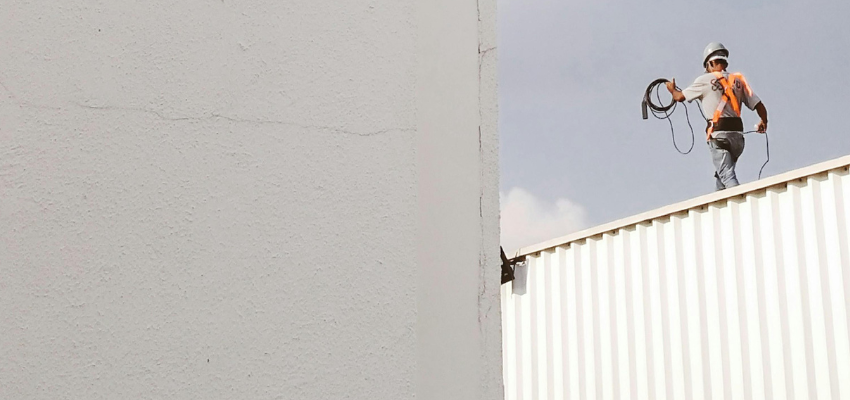
Personal Protective Equipment (PPE) is crucial for safeguarding workers in the structural steel fabrication industry. Essential PPE items include hard hats, gloves, eye protection, respiratory masks, and steel-toe boots. Enforcing the usage of PPE across all job sites is critical for ensuring worker safety. It's not enough to provide safety gear; companies must ensure that all equipment meets regulatory standards and is appropriate for the specific tasks at hand.

4. Hazard Management and Risk Mitigation Strategies
The structural steel fabrication environment presents numerous hazards, such as sharp materials, hot surfaces, and heavy machinery. To address these hazards, various risk mitigation strategies can be implemented, including proper labelling, using machine guards, implementing lockout/tagout procedures, and ensuring proper ventilation. By proactively identifying hazards and employing effective risk mitigation strategies, structural steel fabricators can create safer work environments.
5. Fire Safety and Emergency Preparedness
Fire Prevention
Implementing comprehensive fire safety measures is essential, such as storing flammable materials in designated areas, using fire-resistant equipment, and conducting regular maintenance of electrical systems to prevent potential fire hazards.
Emergency Drills and Procedures
Conducting regular emergency preparedness drills is vital for ensuring that all employees know how to respond in the event of a fire. This training should cover emergency response protocols, including evacuation routes and assembly points.
6. Material Handling and Ergonomics
Safe Lifting Techniques
Proper material handling practices are crucial for preventing strains and injuries among workers. Employees should be trained in safe lifting techniques, reducing the risk of musculoskeletal injuries.
Use of Mechanical Aids
To further minimise the physical strain on workers, it is advisable to use mechanical aids, such as cranes, hoists, and forklifts, for moving heavy materials, improving safety and productivity on the job site.
7. Ventilation and Air Quality Management
Ventilation Systems
Implementing effective ventilation systems, such as exhaust hoods, helps minimise exposure to harmful airborne particles, protecting workers from respiratory issues.
Air Quality Monitoring
Regular monitoring of air quality is important to ensure that it meets safety standards. Providing respiratory protection, such as masks or respirators, to workers when necessary adds an extra layer of safety.
8. Compliance with Legal and Industry Standards
Occupational Health and Safety Act 85 of 1993
Adhering to the Occupational Health and Safety Act 85 of 1993 and other industry standards is crucial for structural steel fabricators. These guidelines are designed to ensure a safe working environment, reducing the risk of accidents and injuries.
Documentation and Reporting
Accurate record-keeping is vital in maintaining compliance and ensuring a culture of safety. This includes detailed documentation of safety inspections, incident reports, and compliance records.
Our Conclusion
Prioritising safety in structural steel fabrication brings numerous benefits, including protecting workers, enhancing project quality, and improving overall operational efficiency. Effective safety practices reduce the likelihood of accidents and injuries, which in turn lowers costs associated with downtime and legal liabilities. Fabrication companies are encouraged to continuously review and improve their safety protocols, adapting to new regulations and industry best practices.
If you want to learn more about our structural steel fabrication and steel construction – feel free to contact us to discuss how we can assist you with your construction projects. Or explore our our past projects to discover how we can help you meet your construction goals!