

Infrastructure Development and Economic Growth
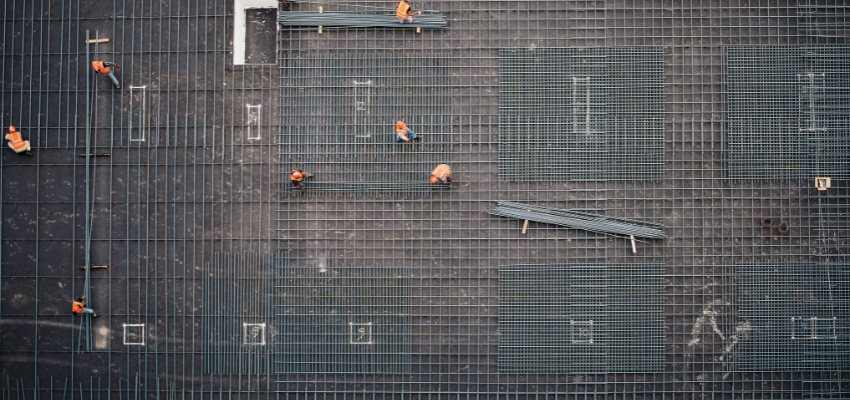
Steel construction is at the heart of South Africa's infrastructure development, which is a key driver of economic growth. The government’s focus on large-scale infrastructure projects, such as roads, bridges, airports, and public buildings, heavily relies on the availability and quality of steel. These projects not only enhance the country's physical infrastructure but also stimulate economic activity by creating jobs, fostering new businesses, and attracting foreign investment.
The importance of infrastructure in economic development cannot be overstated. According to the South African government, infrastructure development is a catalyst for economic growth, with the potential to significantly reduce poverty and inequality. By ensuring that infrastructure projects are built using high-quality steel, South Africa can improve the durability and longevity of these structures, ensuring that they serve the economy for decades to come.
Job Creation and Skills Development
The steel construction industry is a significant employer in South Africa, providing jobs to thousands of workers across various skill levels. From skilled labourers involved in the fabrication and erection of steel structures to engineers and project managers overseeing complex construction projects, the industry supports a wide range of employment opportunities.
In addition to direct employment, the steel construction sector also generates indirect jobs in related industries, such as transportation, manufacturing, and logistics. For example, the demand for steel products boosts activity in the steel manufacturing sector, which in turn creates jobs in mining (for raw materials), manufacturing, and transportation.
Furthermore, the steel construction industry contributes to skills development in South Africa. Many companies in the sector invest in training and development programs to enhance the skills of their workforce, ensuring that they can meet the evolving demands of the industry. These programs not only improve the productivity and efficiency of workers but also contribute to the overall development of South Africa's human capital.
Contribution to GDP
The steel construction industry makes a substantial contribution to South Africa's Gross Domestic Product (GDP). As a key component of the construction sector, steel construction plays a vital role in the country's economic output. The South African construction industry, including steel construction, contributes approximately 4% to the national GDP. This figure underscores the importance of the sector in the broader economy, particularly in terms of its role in building critical infrastructure and driving industrial growth.
Moreover, the steel construction industry’s contribution to GDP is amplified through its linkages with other sectors of the economy. For instance, the demand for steel in construction drives growth in the mining sector, which supplies raw materials like iron ore and coal. This interdependence between industries creates a multiplier effect, further boosting economic activity and contributing to GDP growth.
Technological Advancements and Innovation
The steel construction industry in South Africa is increasingly embracing technological advancements and innovation, which are crucial for maintaining competitiveness in the global market. The adoption of cutting-edge technologies, such as Building Information Modeling (BIM), automated fabrication processes, and advanced welding techniques, is transforming the industry and enhancing its efficiency, quality, and sustainability.
These technological advancements not only improve the performance and durability of steel structures but also reduce construction costs and timelines. By staying at the forefront of innovation, South Africa’s steel construction industry can continue to deliver world-class infrastructure projects that meet international standards.
Moreover, the emphasis on innovation in steel construction has broader economic implications. As the industry adopts new technologies, it drives demand for specialised skills and services, creating opportunities for entrepreneurs and businesses in the technology and engineering sectors. This, in turn, stimulates economic growth and diversification, positioning South Africa as a leader in the construction industry on the African continent.
Challenges and Opportunities
Despite its significant contributions to the economy, the steel construction industry in South Africa faces several challenges. These include fluctuating steel prices, competition from cheaper imports, and regulatory hurdles. Additionally, the industry must navigate issues related to sustainability and environmental impact, particularly in the context of climate change and the global push for greener construction practices.
However, these challenges also present opportunities for growth and innovation. For example, the increasing focus on sustainability is driving the development of eco-friendly steel products and construction methods. By investing in green technologies and sustainable practices, the steel construction industry can reduce its environmental footprint and appeal to a growing market for sustainable building solutions.
Furthermore, the South African government’s commitment to infrastructure development provides a steady pipeline of projects for the steel construction industry. By leveraging public-private partnerships and fostering collaboration between industry stakeholders, South Africa can ensure the continued growth and competitiveness of its steel construction sector.
Our Conclusion
The economic impact of steel construction in South Africa is profound and far-reaching. As a cornerstone of the country's infrastructure development, the steel construction industry drives economic growth, creates jobs, and fosters innovation. While the industry faces challenges, it also has the potential to seize new opportunities and continue contributing to the nation's prosperity.
By understanding and addressing the factors that influence the steel construction industry, South Africa can maximise its economic benefits and build a sustainable future. As the country continues to invest in infrastructure and embrace technological advancements, the steel construction industry will remain a vital engine of economic development.
To learn more about our steel fabrication services and how we can assist with your project, feel free to reach out to us. Additionally, visit our services page to explore the various ways we can help achieve your construction goals.