

The Different Types of Steel Fabrication
Steel fabrication encompasses a variety of methods, each tailored to achieve specific results. Here are the primary types of steel fabrication:
Cutting
- Mechanical Cutting: Using saws, shears, or chisels to cut steel into the required shapes.
- Thermal Cutting: Utilizing torches, lasers, or plasma cutters to achieve precise cuts by melting the steel.
Bending
- Press Braking: Bending steel at specific angles using a press brake machine.
- Rolling: Creating curved shapes by passing steel through a series of rollers.
Welding
- MIG Welding: Using a wire electrode and inert gas to weld steel.
- TIG Welding: Employing a tungsten electrode and inert gas for precise welding.
- Stick Welding: Utilizing a consumable electrode coated in flux for various welding needs.
Machining
- Lathes: Turning steel to achieve specific shapes.
- Milling Machines: Cutting and drilling steel to create intricate parts.
- Drilling Machines: Creating holes in steel for various applications.
Coating
- Galvanizing: Applying a zinc coating to protect steel from corrosion.
- Powder Coating: Using a dry powder cured under heat to form a protective layer.
- Painting: Applying liquid paint for both protection and aesthetics.
Assembling
- Welding, Bolting, or Riveting: Joining various fabricated steel parts to create final structures.
Casting
- Molten Steel Molding: Pouring molten steel into molds to create complex shapes.
What Do Steel Fabricators Do?
Steel fabricators, such as RSB Contracts, are responsible for transforming raw steel into structural components that meet specific design and engineering requirements. They work closely with engineers and designers to ensure that each project is cost-effective and structurally sound. The process involves:
- Design and Planning: Utilizing advanced software like Tekla Structures to create detailed 3D models and workshop drawings.
- Procurement and Production: Using systems like Steel Projects PLM to optimize procurement and track progress in real-time.
- Fabrication and Assembly: Employing state-of-the-art machinery and skilled personnel to fabricate and assemble steel components.
- Quality Assurance: Ensuring all fabricated steel meets industry standards and client specifications through rigorous quality control measures.
The Uses of Fabricated Steel in Construction
Fabricated steel is a cornerstone of the construction industry, providing the strength and durability needed for various structures. In construction, fabricated steel is used in:
- Structural Frameworks: Creating the skeletons of buildings, bridges, and other infrastructure.
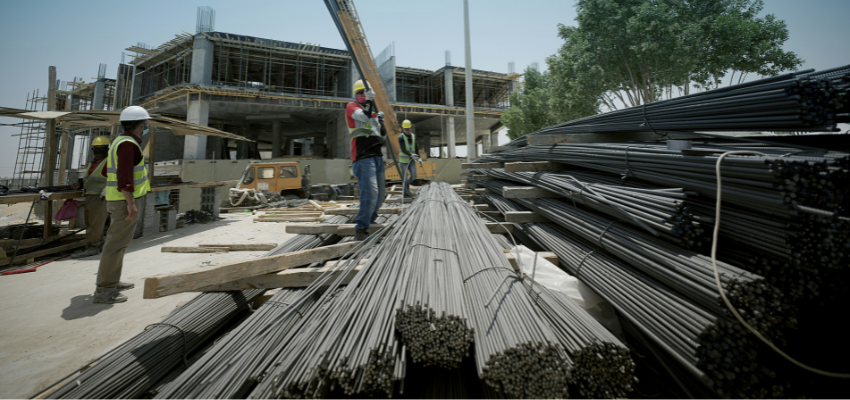
- Reinforcing Bars (Rebar): Strengthening concrete structures.
- Beams and Columns: Supporting floors, roofs, and other critical components of buildings.
RSB Contracts: Leaders in Steel Fabrication
RSB Contracts, established in 1998, is a premier provider of structural steelwork, fabrication, and construction services throughout Southern Africa. With a state-of-the-art facility and a team of skilled professionals, RSB Contracts delivers high-quality steel fabrication solutions tailored to the needs of industrial, commercial, and retail construction projects. Utilizing advanced technology and innovative processes, RSB Contracts ensures that each project is completed efficiently and to the highest standards.
By maintaining a commitment to excellence and leveraging extensive expertise, RSB Contracts continues to set the benchmark in the steel fabrication industry. Whether it's creating the framework for a new commercial building or reinforcing infrastructure, RSB Contracts is dedicated to bringing strength and reliability to every project undertaken.
To see examples of RSB Contracts' work, visit our projects page, or contact us to get in touch.