

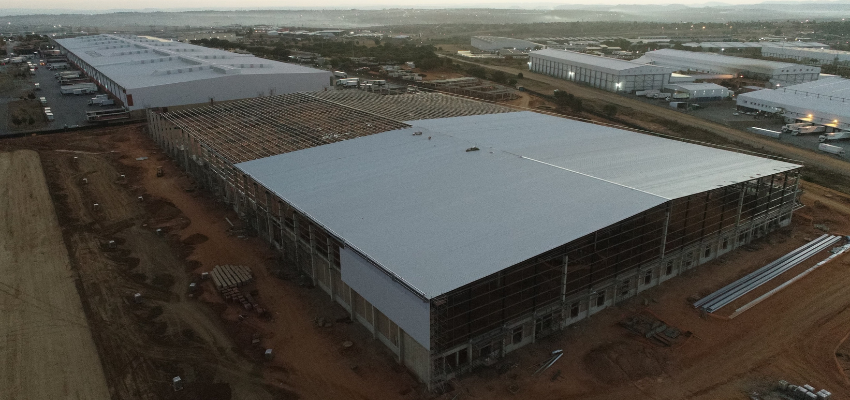
What Exactly Is Structural Steel Fabrication?
At its core, structural steel fabrication involves cutting, shaping, and assembling steel materials to create structures that are both functional and aesthetically pleasing. Fabricators start with raw steel, which is available in various forms, including plates, bars, and tubes.
Using advanced machinery and techniques, these raw materials are transformed into components such as beams, columns, and trusses, which are essential for building stability and strength.
The Fabrication Journey: From Concept to Creation
The journey of structural steel fabrication typically involves several key stages:
Design and Engineering
Before any fabrication begins, detailed designs are created, often using computer-aided design (CAD) software. This stage involves close collaboration between architects and engineers to ensure that the structural elements meet the specific requirements of the project.
Material Selection
Choosing the right type of steel is crucial. Different grades of steel offer varying properties, such as tensile strength and corrosion resistance. This selection process ensures that the material can withstand the loads and environmental conditions it will face.
Cutting and Shaping
Once the materials are selected, fabricators cut and shape the steel using specialised equipment like saws, plasma cutters, and lasers. This precision ensures that each piece fits perfectly into the overall structure.
Assembly and Welding
After cutting, the steel components are assembled and welded together to form larger sections of the structure. This step often takes place in a controlled environment, which allows for better quality control and minimises the risk of damage during transport.
Finishing Touches
The final stage involves applying protective coatings to prevent rust and corrosion. This might include galvanising or painting the steel to enhance its durability and aesthetic appeal.
The Advantages of Structural Steel Fabrication
Structural steel fabrication offers numerous benefits that make it a preferred choice in construction projects:
- Strength and Durability: Steel is known for its high strength-to-weight ratio, making it an ideal material for supporting heavy loads while remaining lightweight. This characteristic allows for more innovative designs and greater spans in construction.
- Cost-Effectiveness: While the initial material costs for steel may be higher than other materials, the efficiency of the fabrication process and the reduced labour costs associated with quicker assembly often lead to significant savings in the overall project budget.
- Sustainability: Steel is one of the most recycled materials in the world. Structural steel fabricated from recycled content not only reduces waste but also conserves natural resources, making it a sustainable choice for environmentally-conscious projects.
- Design Flexibility: Steel's versatility allows for a wide range of architectural styles and applications. From industrial buildings to modern residential designs, structural steel can be shaped to meet diverse aesthetic requirements.
Quality Control in Structural Steel Fabrication
Quality control is paramount in structural steel fabrication. Fabricators implement rigorous inspection processes at each stage of production to ensure that every piece meets industry standards and project specifications.
This commitment to quality helps prevent costly mistakes during construction and ensures the safety and longevity of the structures being built.
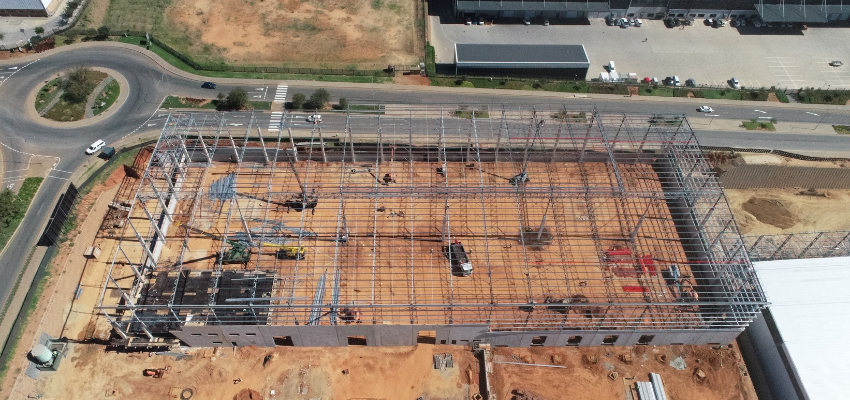
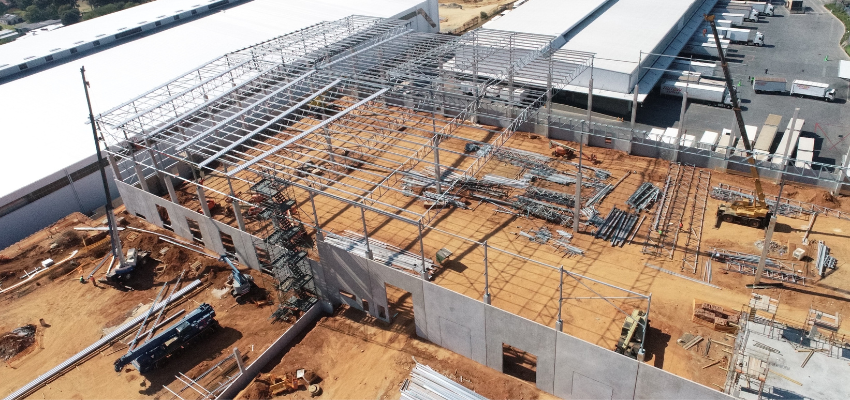
Structural Steel Fabricators: Who Are They and What Do They Do?
Structural steel fabricators play a critical role in the construction industry. These skilled professionals not only handle the fabrication process but also collaborate with engineers, architects, and contractors to ensure that the final product meets the project’s goals.
By employing a combination of technical expertise and industry knowledge, structural steel fabricators contribute significantly to the success of construction projects.
What Are the Key Applications of Structural Steel Fabrication?
Structural steel fabrication is utilised in various applications across multiple industries. Its adaptability and strength make it a preferred choice for:
- Commercial Buildings: High-rise offices and retail spaces often rely on structural steel for its ability to support large spans and flexible designs, enhancing both aesthetics and functionality.
- Industrial Structures: Factories, warehouses, and manufacturing plants benefit from the durability and load-bearing capabilities of steel, which can withstand heavy machinery and operational demands.
- Infrastructure Projects: Bridges, tunnels, and stadiums utilise structural steel to provide the necessary strength and stability, ensuring long-lasting performance under varying environmental conditions.
- Residential Construction: Modern homes increasingly incorporate steel elements, such as beams and frames, allowing for open layouts and creative architectural designs.
By understanding the diverse applications of structural steel fabrication, stakeholders can better appreciate its versatility and significance in today’s construction landscape.
Conclusion: The Future of Structural Steel Fabrication
As the construction industry evolves, so does the role of structural steel fabrication. Advances in technology, such as 3D printing and robotics, are poised to revolutionise fabrication processes, making them even more efficient and precise.
For construction projects looking to balance strength, sustainability, and design flexibility – structural steel fabrication remains an invaluable asset.
For expert services in structural steel fabrication, RSB Contracts is here to assist you. Reach out to us for a consultation or explore our comprehensive range of services to discover how we can support your next construction project.