

1. Strength and Durability
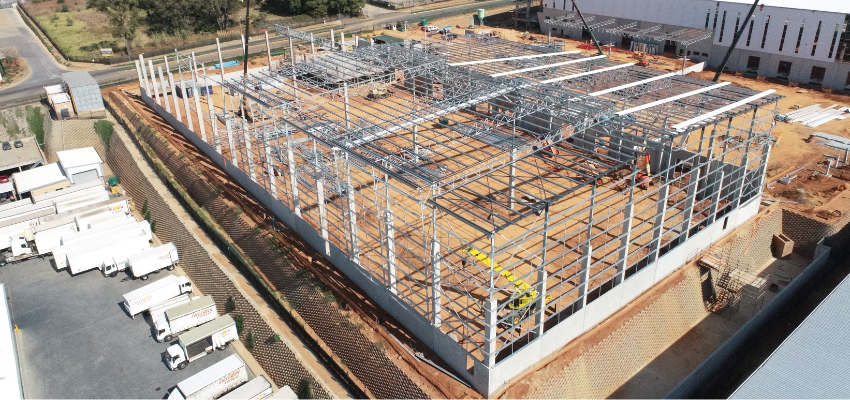
Structural steel’s strength-to-weight ratio is unparalleled, allowing it to support heavy loads without adding excessive weight. This is essential in tall buildings and other demanding applications. Additionally, it resists harsh weather and seismic activity, ensuring long-term stability.
2. Versatility in Design
Steel’s adaptability allows it to fit various architectural styles and project needs. Advanced technologies like CAD and 3D printing enable fabricators to create custom components, pushing design boundaries in projects like the Burj Khalifa and the Sydney Opera House.
3. Efficient Construction Processes
Prefabricated steel components are manufactured off-site, making on-site assembly quicker and more cost-effective. According to the National Steel Bridge Alliance, steel bridges can be constructed 30% faster than those using traditional materials.
4. Fire-Resistant Properties of Steel
Non-combustible by nature, structural steel can be enhanced with fireproof coatings to prolong its resistance. The National Fire Protection Association notes that such treatments can extend fire resistance ratings significantly, allowing more time for evacuation and response.
5. Earthquake and High-Wind Resistance
In regions prone to earthquakes or high winds, steel’s ductility allows it to absorb and dissipate energy, reducing the risk of structural failure. The AISC highlights steel’s resilience in withstanding such natural events.
6. Cost-Effectiveness
While initially more expensive, steel’s durability and reduced need for maintenance result in lower long-term costs. A study by the Steel Construction Institute suggests that steel structures often yield lower lifecycle costs due to their longevity.
7. Accelerated Project Timelines
Prefabrication and ease of assembly allow for quicker project completion, reducing labour costs and ensuring deadlines are met. The American Iron and Steel Institute reports a 20% reduction in timelines for steel-based projects.
What is the Main Role of Structural Steel Fabricators?
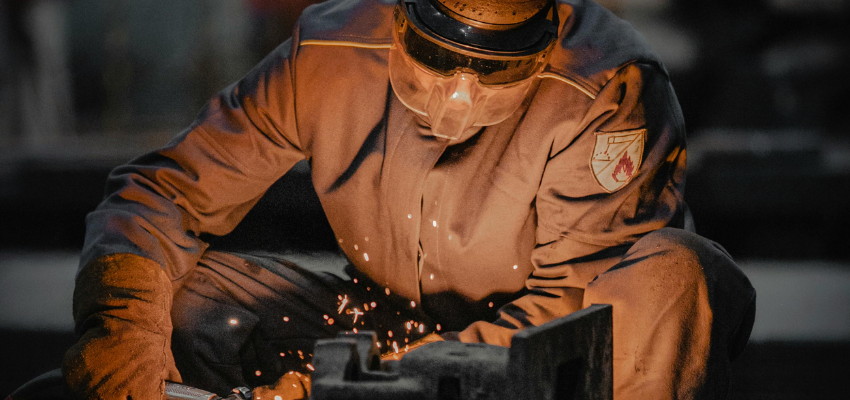
Structural steel fabricators transform raw materials into essential building components. Their expertise ensures that steel structures meet specifications, and they work closely with architects and engineers to uphold design integrity.
Choosing the Right Fabricator
When selecting a fabricator, look for certifications such as AISC, project experience, and client testimonials. These factors reflect their reliability and proficiency.
Our Conclusion
Structural steel's role in modern construction is unmatched, from its durability to design flexibility. RSB Contracts brings expertise in structural steel fabrication to each project. Contact us to learn more about our services or view our portfolio for examples of our work.