

The Basics of Structural Steel Fabrication
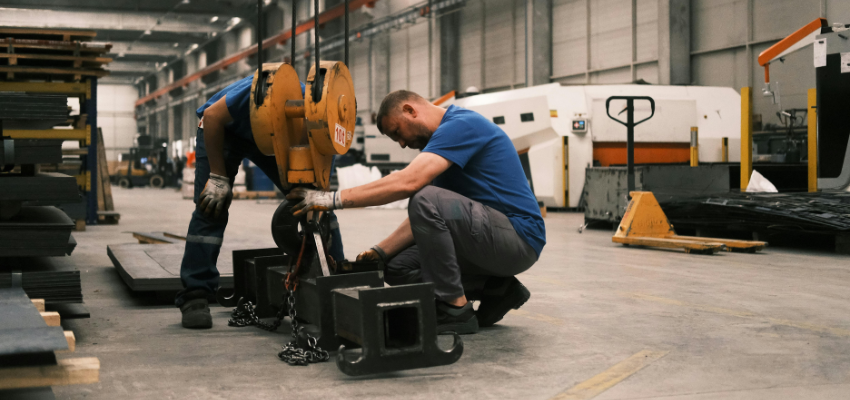
Structural steel fabrication involves transforming raw steel into custom shapes and structures needed for each project. This process typically includes cutting, bending, and assembling steel to exact specifications, allowing the final products to meet strict safety and quality standards.
- Cutting: Raw steel is cut to the required shapes using advanced machinery like laser cutters or plasma torches for precise and clean edges.
- Bending: Fabricators use powerful tools to shape steel without compromising its structural integrity.
- Assembling: Finally, the steel pieces are assembled and secured, often through welding or bolting, to form the desired structure.
Structural steel fabrication is preferred in construction due to steel’s inherent strength and ability to withstand extreme conditions. This process enables custom builds that are both time-efficient and adaptable to specific project needs, making it a top choice for reliable, large-scale applications.
Structural Steel Fabrication and its Application Across Industries
Structural steel fabrication serves as a critical component across multiple industries, each relying on its strength, adaptability, and efficiency.
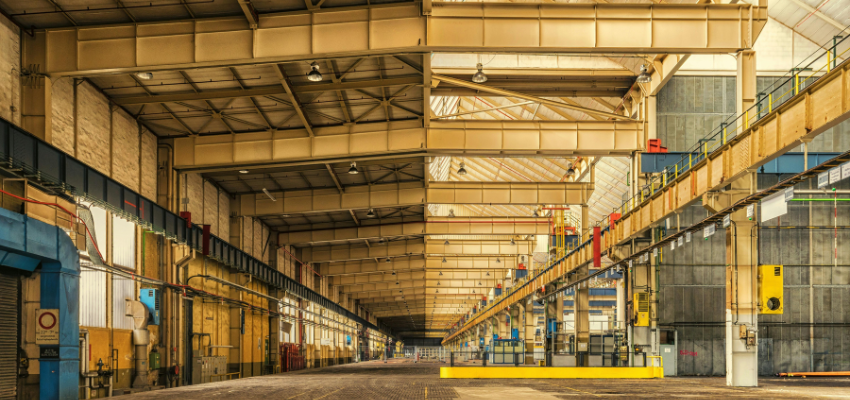
- Commercial and Industrial Construction: Warehouses, factories, and large retail complexes often use structural steel because it offers the capacity for open spaces without compromising stability. Steel’s flexibility also enables architects to create designs that optimise space and functionality.
- Mining and Energy Projects: Structural steel is widely used in mining operations and energy facilities due to its strength and resilience in challenging environments. Fabricated steel provides the support needed for heavy-duty equipment and ensures the long-term stability of structures in these demanding sectors.
- Infrastructure Development: Infrastructure projects like bridges, high-rise buildings, and stadiums rely on structural steel for its durability and ability to support significant loads.
Each of these industries relies on the precision and reliability that skilled fabricators bring, meeting stringent quality requirements to ensure safety and performance in all applications.
What Are The 3 Main Benefits of Structural Steel Fabrication?
1. Superior Strength and Long-Term Durability
Structural steel is known for its impressive strength-to-weight ratio, making it an ideal material for large, load-bearing structures. Unlike other building materials, steel’s strength doesn’t deteriorate with age, providing long-term stability that is essential for high-rise buildings, bridges, and industrial facilities.
2. The Cost-Effectiveness of Structural Steel Fabrication
Structural steel fabrication offers significant cost savings due to its efficient production methods. Pre-fabrication allows for faster assembly on-site, reducing the amount of labour and the likelihood of on-site mistakes.
3. The Adaptability and Flexibility of Steel Fabrication
One of the standout qualities of structural steel is its adaptability in design. Steel can be fabricated to meet a wide range of specifications, enabling unique architectural styles, from sleek modern buildings to complex industrial structures.
Recent Innovations in Structural Steel Fabrication
Robotic Automation
Automation has transformed the industry, with robotic arms and automated machinery taking over tasks such as welding, cutting, and assembling. Robots deliver precision that surpasses human capabilities, allowing for exact cuts and consistent welds, which improves the quality and durability of steel structures.
Computer-Aided Design (CAD)
CAD software has revolutionised the planning and design stages of structural steel fabrication. With CAD, fabricators can create detailed 3D models that allow for precise measurements and virtual testing.
Automated Cutting and Welding
Innovations in automated cutting and welding technologies streamline the fabrication process significantly. Automated cutting tools, such as laser and plasma cutters, can handle high-strength steel with exceptional accuracy and speed.
The Environmental Considerations in Steel Fabrication
Structural steel fabrication is increasingly aligning with eco-friendly practices as both the industry and clients prioritise sustainability. One of the key ways fabricators achieve this is through the use of recycled steel.
How Does Structural Steel Fabricators Help Construction Project Succeed?
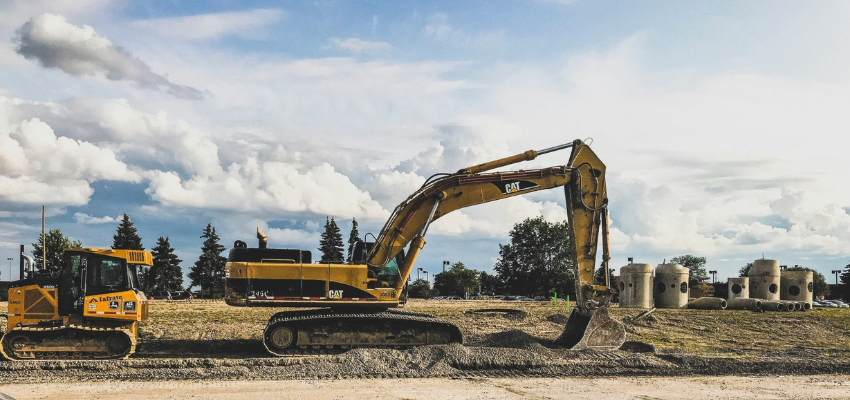
Selecting an experienced fabricator is crucial to the success of any construction project. Structural steel fabricators not only shape and assemble steel components but are also responsible for maintaining stringent quality control and meeting safety standards.
RSB Contracts, for example, emphasises high standards in every stage of the fabrication process, from initial planning to final assembly.
Our Conclusion
Structural steel fabrication plays a vital role in shaping the infrastructure and buildings that serve various industries, from warehouses to high-rise buildings and industrial plants.
If you’re looking for more details on structural steel fabrication and steel construction – or wish to discuss your upcoming project, feel free to reach out to us. Or discover the variety of services we provide on our services page to see how we can support your construction needs.